PCS Safety delivers tailored safety training programs designed specifically for manufacturing environments.
Our goal is to help you protect workers on the production floor through proactive education, hands-on coaching, and practical strategies that integrate seamlessly into daily operations.
PCS Safety can tailor training around the hazards and workflows specific to your facility.
Understand safe lockout/tagout procedures, machine guarding expectations, and how to reduce the risk of serious injuries.
Recognize risk factors like repetitive motion, lifting and awkward postures. Apply safer work practices for long-term injury prevention.
Identify chemical hazards, read labels, and access Safety Data Sheets. Reinforce labeling and handling requirements.
Short, targeted talks keep safety top of mind across all shifts with key hazards, safe practices and current expectations.
Practical coaching directly in your operations supports real behavior change and helps teams apply training during daily production.
Teach employees to spot unsafe conditions early, communicate risks and take corrective action before injuries occur.
Real training. Real people. Safer manufacturing.

Manufacturing environments often involve moving equipment, stored energy, chemical exposure, material handling, and repetitive motion. Effective training helps employees understand these risks and apply safe procedures consistently during routine tasks, changeovers, maintenance work, and daily production activities.
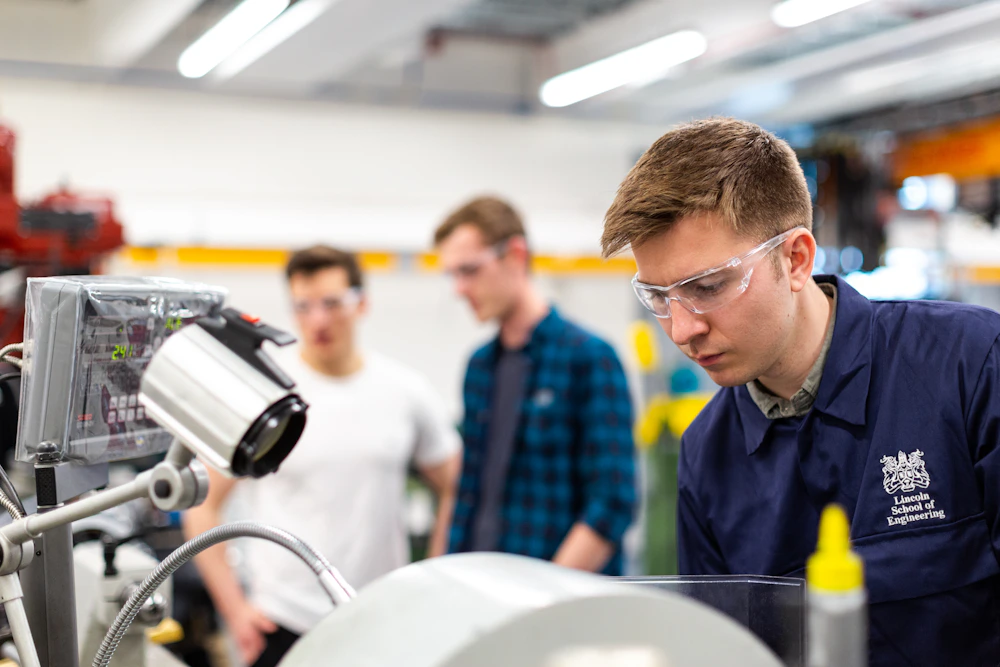
Manufacturing equipment can expose employees to moving parts and hazardous stored energy during servicing, setup, and maintenance. Training should help workers understand safe lockout/tagout procedures, machine guarding expectations, and the steps needed to reduce the risk of serious injuries.

Repetitive motion, lifting, awkward postures, and forceful tasks can all contribute to workplace injuries in manufacturing settings. Therefore, ergonomics training helps employees recognize risk factors and apply safer work practices that support long-term injury prevention.

Employees should know how to identify chemical hazards, read labels, and access Safety Data Sheets relevant to their work area. This training supports safer chemical handling and reinforces hazard communication practices across the facility.