
Creating a safer workplace starts with preparation, and one of the most important steps any employer can take is investing in first aid certification for employees. Workplace emergencies can happen without warning, and having trained staff ready to respond can make a meaningful difference in the outcome.
For employers, first aid training is not just about safety. It can also be part of meeting workplace compliance obligations under OSHA. Whether your business operates in construction, manufacturing, healthcare, warehousing, or office settings, ensuring your employees have the skills to respond to medical emergencies is a practical investment in workplace readiness.
This guide explains OSHA first aid requirements, the benefits of workplace first aid certification, and best practices for building an effective training program. Based on your original draft
Understanding OSHA First Aid Requirements
The Occupational Safety and Health Administration requires employers to maintain a safe working environment. Part of that responsibility includes ensuring employees can respond appropriately to workplace injuries and medical emergencies.
Under OSHA standard 29 CFR 1910.151(b):
“In the absence of an infirmary, clinic, or hospital in near proximity to the workplace… a person or persons shall be adequately trained to render first aid.”
This means businesses must assess workplace risks and determine whether trained first aid responders are necessary.
When Is First Aid Certification Required?
OSHA first aid requirements often depend on:
- Distance from emergency medical services
- Type of workplace hazards
- Number of employees
- Risk level of workplace operations
Higher-risk industries often require stronger emergency preparedness measures, including CPR AED and first aid certification.
For more OSHA compliance guidance, visit OSHA or PCS Safety’s OSHA compliance services.
Why First Aid Certification Benefits Every Business
Beyond regulatory compliance, first aid certification offers practical advantages that directly impact workplace safety and business continuity.
1. Faster Emergency Response
When an accident happens, immediate action matters. Employees trained in first aid can respond before paramedics arrive, helping stabilize injuries and improve outcomes.
Examples include:
- Controlling severe bleeding
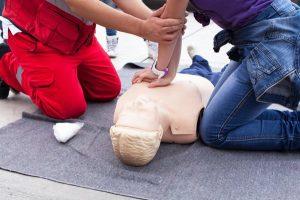
- Performing CPR
- Using an AED
- Managing burns
- Treating choking incidents
2. Reduced Injury Severity
Quick intervention often prevents injuries from becoming more serious. A trained response can reduce complications and improve recovery times.
This can mean:
- Shorter medical treatment times
- Reduced lost work hours
- Better incident outcomes
3. Better Workplace Safety Awareness
Employees who complete first aid training often become more aware of workplace hazards. This awareness supports safer day-to-day decisions and helps reduce incidents.
A workplace focused on prevention is often a safer workplace overall.
4. Increased Employee Confidence
Knowing coworkers have valid first aid certification creates a stronger sense of security among staff.
Employees often feel more confident when they know:
- Emergency procedures are established
- Team members know how to respond
- Safety is taken seriously by leadership
5. Lower Business Costs
Workplace injuries can lead to:
- Workers’ compensation claims
- Lost productivity
- Legal expenses
- Higher insurance costs
Investing in first aid training may help reduce these costs by improving emergency response and limiting injury severity.
What Should First Aid Training Include?
A strong workplace program should go beyond basic instruction. Effective first aid certification should include practical, hands-on training.
CPR AED and First Aid Certification Essentials
CPR (Cardiopulmonary Resuscitation)
CPR training teaches employees how to respond to cardiac arrest and maintain blood circulation until emergency responders arrive.
AED Training
Automated External Defibrillators (AEDs) can restore normal heart rhythm during sudden cardiac arrest. Employees should know how to operate them safely.
Bleeding Control
Severe bleeding requires immediate attention. Training should cover:
- Direct pressure
- Tourniquet application
- Wound stabilization
Burn Response
Employees should understand how to respond to:
- Thermal burns
- Chemical burns
- Electrical burns
Fractures and Sprains
Proper stabilization techniques help prevent further injury while waiting for medical care.
Choking Emergencies
Airway obstruction can become life-threatening quickly. Training should include choking response protocols.
Shock Recognition
Recognizing shock symptoms early can improve survival outcomes.
Best Practices for Workplace First Aid Training
Not all training programs are equally effective. Businesses should focus on building a practical and repeatable emergency response system.
Choose Industry-Specific Training
Different industries face different risks.
Examples:
- Construction: fall injuries, electrical hazards
- Warehousing: lifting injuries, crush injuries
- Manufacturing: burns, machinery accidents
Industry-specific programs improve training relevance.
Schedule Regular Recertification
First aid skills can weaken over time. Regular recertification helps employees maintain confidence and accuracy.
Review your certification schedule regularly to keep training current.
Conduct Hands-On Training
Hands-on scenarios improve retention better than lecture-only instruction.
Practical drills should include:
- CPR simulations
- AED operation
- Bleeding control exercises
- Emergency communication procedures
Keep First Aid Supplies Accessible
Certification is only effective if employees have access to the tools they need.
Maintain:
- Stocked first aid kits
- AED units
- Emergency contact information
- Incident documentation procedures
Building a Culture of Safety
Workplace safety is not a one-time event. It is an ongoing process that requires planning, training, and reinforcement.
Businesses that prioritize safety often see benefits such as:
- Fewer incidents
- Better compliance
- Improved employee trust
- Stronger operational readiness
PCS Safety helps businesses build stronger safety programs through workplace-focused training and compliance support.
Learn more about CPR, AED, and first aid certification here.
Frequently Asked Questions
Is first aid certification required by OSHA?
OSHA requires trained first aid responders when medical facilities are not in near proximity to the workplace or where workplace hazards create higher risks.
How long does first aid certification last?
Most certifications are valid for two years, though requirements may vary by provider and workplace policy.
What does CPR AED and first aid certification include?
Training typically includes CPR, AED use, bleeding control, burns, fractures, choking, and emergency response procedures.
Which businesses need first aid training?
Any workplace can benefit, but higher-risk industries such as construction, manufacturing, and warehousing often have greater need.
Take the Next Step Toward Workplace Readiness
Preparing your team for workplace emergencies is one of the most practical safety investments your business can make. First aid certification supports compliance, improves emergency response, and strengthens workplace safety culture.
If your organization is ready to improve emergency preparedness and workplace compliance, PCS Safety can help.