
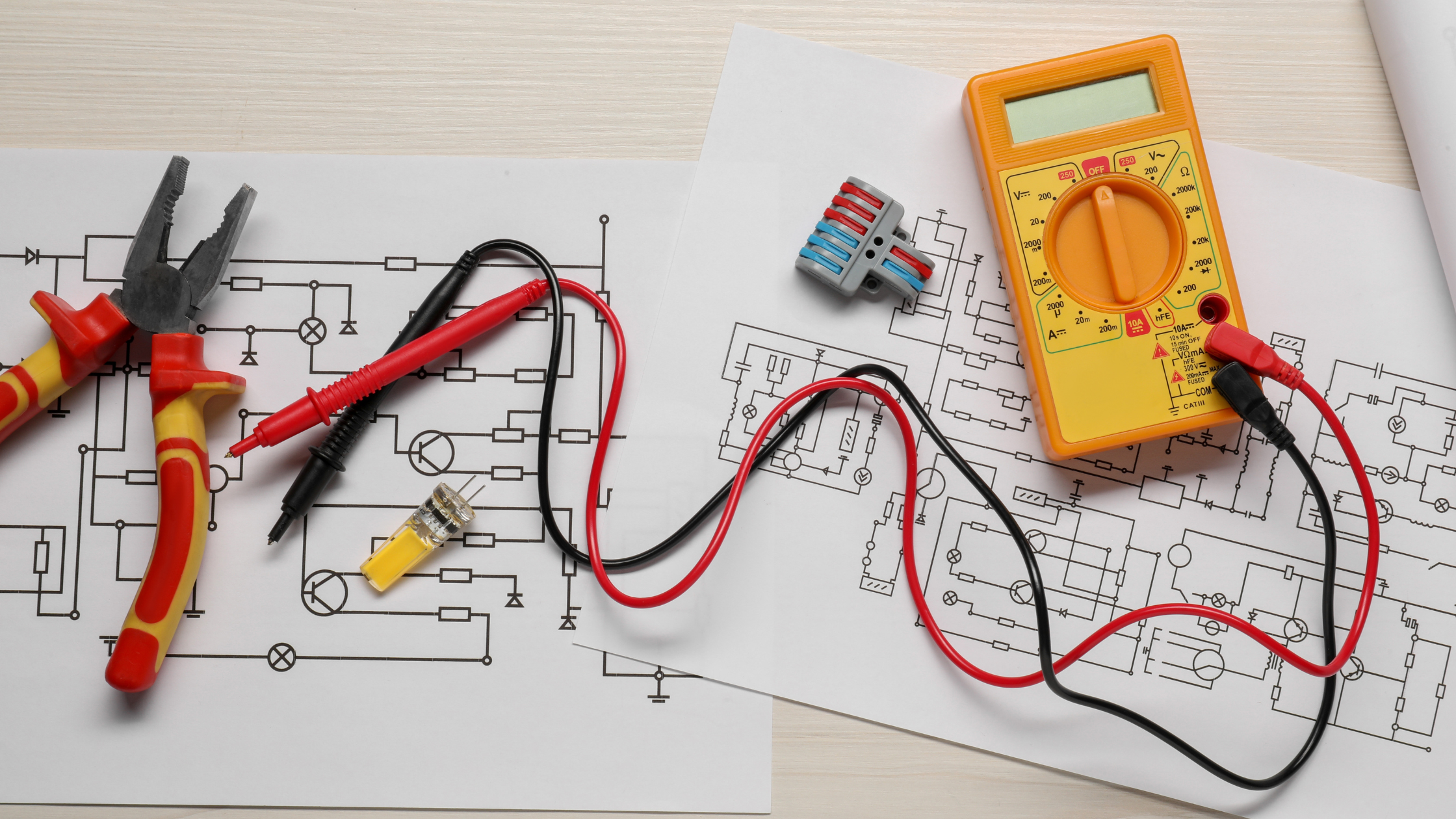
OSHA electrical safety training is not only for electricians. In California workplaces, electrical hazards can affect maintenance teams, equipment operators, warehouse employees, office staff, field crews, supervisors, and anyone who works near powered equipment or exposed electrical systems.
For employers, the challenge is knowing what training Cal/OSHA expects, who needs it, how it connects to Cal/OSHA requirements, and how to document it clearly enough for an inspection. A short safety orientation is usually not enough. Employers must connect training to the hazards employees may actually face during their assigned work.
This guide explains what California employers should know about OSHA electrical safety training, including qualified and unqualified employees, lockout tagout training, documentation, and how electrical safety fits into an Injury and Illness Prevention Program.
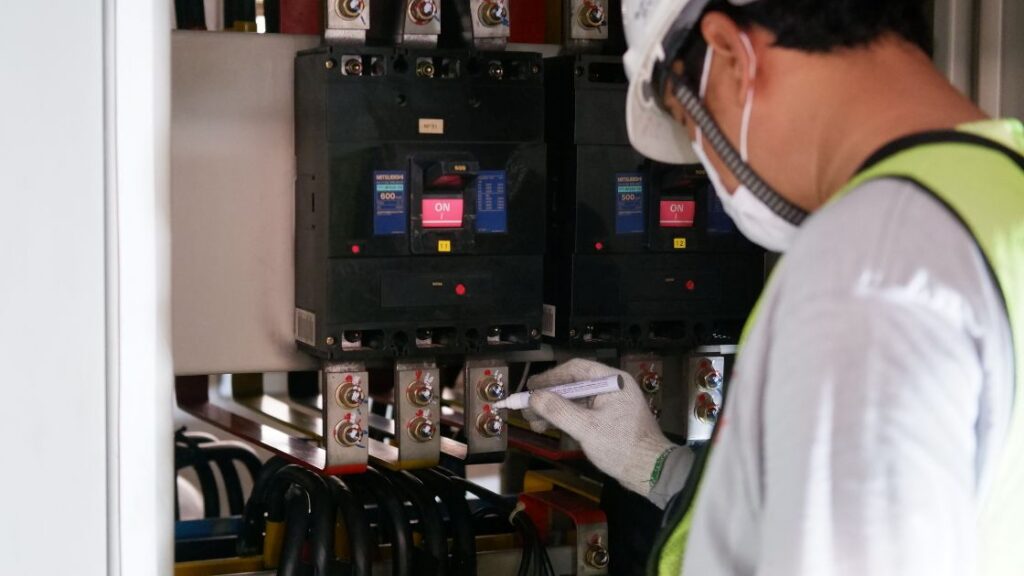
Why OSHA Electrical Safety Training Matters
Electrical hazards can cause shock, burns, arc flash injuries, fires, and equipment damage. Even employees who do not perform electrical repairs may still face risk if they operate machinery, reset equipment, use extension cords, work near electrical panels, or perform maintenance around energized systems.
OSHA’s electrical training standard applies when employees face electric shock risk that installation requirements do not reduce to a safe level. In practical terms, this means training should match the level of exposure. An employee who simply works near electrical equipment does not need the same training as a qualified electrical worker, but both may need instruction that is specific to their role.
For California employers, OSHA compliance training should also align with Cal/OSHA expectations. That includes written safety programs, hazard communication, workplace-specific procedures, and training records your team can retrieve when needed.
Who Needs OSHA Electrical Safety Training?
Employers should train employees based on their job duties and the electrical hazards they may encounter. OSHA standards distinguish between qualified employees and unqualified employees.
Qualified employees
Qualified employees have the skills and knowledge needed to work on or near exposed energized electrical parts. They need more detailed training because their work may involve higher-risk tasks.
Qualified employee training may include:
- How to distinguish exposed energized parts from other parts of electrical equipment
- How to determine nominal voltage
- Required approach distances
- Safe work practices for the specific equipment involved
- Proper use of electrical protective equipment
- Arc flash awareness, where applicable
- Lockout tagout procedures for service and maintenance work
- Emergency response procedures for electrical incidents
A job title alone does not create qualified status. Employers should train each employee and confirm that the employee understands the electrical safety practices their work requires.
Unqualified employees
Employers should not allow unqualified employees to work on or near exposed energized parts. However, they may still need electrical hazard awareness training if their work environment includes electrical risks.
Unqualified employee training may include:
- How to recognize common electrical hazards
- Why electrical panels and equipment clearances must be maintained
- Safe use of cords, plugs, and connected equipment
- What warning signs, labels, or barricades mean
- How to report damaged equipment or unsafe conditions
- What not to touch, open, reset, or bypass
- What to do in an electrical emergency
That is why employers should not limit OSHA electrical safety training to maintenance departments. A warehouse associate, office employee, production worker, or field employee may still need training if electrical hazards are present in the work area.
What OSHA Electrical Safety Training Should Cover
Employers should base training content on the employee’s actual exposure. A general presentation that does not address workplace-specific hazards is unlikely to be enough.
At a minimum, employers should review whether training covers:
- Electrical hazards found in the employee’s work area
- Safe operation of electrical equipment and tools
- Reporting procedures for damaged cords, panels, outlets, or equipment
- Electrical emergency response procedures
- Personal protective equipment requirements, when applicable
- Restrictions on who may access electrical rooms, panels, or equipment
- Safe clearance around electrical panels and disconnects
- Procedures for de-energizing equipment before service or maintenance
- Lockout tagout training for authorized and affected employees
- Arc flash awareness for employees who may work near energized equipment
For qualified electrical workers, training must go deeper than awareness. It should cover the specific safety-related work practices their tasks require.
Cal/OSHA Training Requirements and California Employer Duties
This is where employers most commonly fall short. Training records are a compliance requirement, not just a best practice. When Cal/OSHA inspects, Inspectors often request training records early in the inspection. A training record should identify the employee’s name, the training date, the topics covered, and the person or provider who delivered the training.
If an employer keeps missing, incomplete, or hard-to-retrieve records, Cal/OSHA may treat the training as if it did not happen. The most expensive version of that problem is discovering it during an inspection.
How OSHA Compliance Training Connects to Your IIPP
California employers should evaluate electrical safety training as part of their broader Cal/OSHA compliance program. Employers should not treat electrical hazards as a standalone topic separate from the company’s written safety programs.
Cal/OSHA’s electrical safety eTool offers a helpful starting point for understanding training expectations by type of work. Employers should also review applicable Cal/OSHA Title 8 requirements for their operations, including requirements related to electrical work, lockout tagout, personal protective equipment, and the Injury and Illness Prevention Program.
A strong training program should answer three basic questions:
- Which employees may be exposed to electrical hazards?
- What level of training does each employee group need?
- How will the employer prove that employees completed and understood the training?
The third question is often where compliance gaps appear.
How Lockout Tagout Training Fits Into Electrical Safety
Lockout tagout training is closely connected to electrical safety when employees service or maintain equipment that may release hazardous energy. Electrical energy is one of the most common hazardous energy sources, but it is not the only one. Equipment may also create mechanical, hydraulic, pneumatic, thermal, or stored energy hazards.
Employees who perform lockout tagout must understand how to isolate energy sources, apply locks and tags, verify zero energy, and follow the employer’s written energy control procedures.
Affected employees also need training. They may not apply locks themselves, but they must understand what lockout tagout means, why equipment cannot be restarted, and who to contact with concerns.
For employers, the key point is that lockout tagout training and OSHA electrical safety training should work together. If employers handle them separately with no connection between procedures, employees may receive incomplete instruction.
How Electrical Safety Training Connects to Your IIPP
California employers must maintain a written Injury and Illness Prevention Program. Employers should address electrical hazards in that program when those hazards exist in the workplace.
A complete IIPP should identify the person or role responsible for safety, how the company assesses hazards, how it corrects unsafe conditions, how employees communicate safety concerns, and how it provides training. Electrical safety training should support that framework.
Learn more about building and maintaining a compliant program through PCS Safety’s Injury and Illness Prevention Program service page.
When an employer provides electrical safety training but does not connect it to the IIPP, the result may be a documentation gap. For example, the company may have training records but no clear explanation of how it identifies, corrects, communicates, or assigns electrical hazards for follow-up.
When Electrical Safety Training Should Be Provided or Refreshed
OSHA electrical safety training is not a one-time task. Employers should provide training before an employee works around electrical hazards and refresh training when conditions change.
Employers may need to provide training when:
- A new employee is assigned to work near electrical hazards
- An employee changes job duties
- New equipment or systems are introduced
- A hazard assessment identifies new electrical risks
- Procedures are updated
- An employee demonstrates unsafe work practices
- An incident or near miss occurs
- An inspection or audit reveals knowledge gaps
Some employers choose to schedule periodic refresher training even when there is no specific change in job duties. That can help, but employers should still make refresher training meaningful. Repeating the same generic presentation every year without reviewing actual workplace hazards may not solve the compliance problem.
Documentation: The Part Employers Often Miss
Employers need clear training records. During a Cal/OSHA inspection, inspectors may ask an employer to show who completed training, when training occurred, what the training covered, and who provided it.
A useful electrical safety training record should include:
- Employee name
- Job title or role
- Date of training
- Training topic and scope
- Instructor or training provider
- Employee group, such as qualified or unqualified
- Any hands-on demonstration or evaluation completed
- Signature or acknowledgment, where used
- Related procedures, policies, or materials reviewed
Employers should keep records easy to retrieve. If training happened but records are missing, incomplete, or scattered across multiple systems, the employer may have difficulty proving compliance.
PCS Safety provides OSHA compliance training support for California employers that need clearer training systems, documentation, and workplace-specific instruction. Learn more about OSHA compliance training.
Practical Checklist for Employers
Use this checklist to evaluate whether your current OSHA electrical safety training program is complete. Start with employee coverage, then review the training content, documentation, and program alignment.
Employee Coverage
- Have you identified employees who work on or near electrical hazards?
- Have you separated qualified and unqualified employees by role?
- Have you included employees outside the maintenance department when needed?
Training Content
- Does training address the actual hazards in your workplace?
- Does it explain what employees can and cannot do?
- Does it include lockout tagout training where employees service or maintain equipment?
- Does it address emergency procedures?
- Does it include PPE and arc flash awareness where employees need them?
Documentation
- Do training records include the employee name, training date, topic, and instructor?
- Can your team retrieve records quickly during an inspection?
- Do records show what the class covered, not just that the class occurred?
- Do you document refresher training triggers?
Program Alignment
- Does your IIPP address electrical hazards?
- Do written policies support your training procedures?
- Do supervisors know how to identify and correct training gaps?
- Do you update training when equipment, tasks, or hazards change?
For a practical review tool, download the Workplace Electrical Safety Checklist.
FAQ: OSHA Electrical Safety Training
Who needs OSHA electrical safety training?
Employees who work on, near, or around electrical hazards may need OSHA electrical safety training. Qualified employees need more detailed training for the work they perform. Unqualified employees may still need hazard awareness training so they can recognize and avoid electrical risks.
What must OSHA electrical safety training cover?
Training should cover the electrical hazards employees may encounter, safe work practices, emergency procedures, reporting expectations, PPE requirements where applicable, and restrictions on who may access or work on electrical equipment. Employees involved in service or maintenance may also need lockout tagout training.
How often should employers refresh electrical safety training?
There is no single refresh schedule that applies to every workplace. Training should be refreshed when job duties change, new equipment is introduced, hazards change, procedures are updated, or an audit, incident, or observation shows that an employee does not understand the required safety practices.
Does lockout tagout training count as electrical safety training?
Lockout tagout training may satisfy part of an electrical safety training need when electrical energy control is involved, but it usually does not cover everything. Employers should make sure employees also understand electrical hazard recognition, safe work practices, equipment restrictions, and emergency procedures relevant to their roles.
Get Your Electrical Safety Training Program in Order
California employers should review who is being trained, what the training covers, how records are maintained, and whether the training aligns with the company’s IIPP and lockout tagout procedures. California employers should review who receives training, what the training covers, how the company maintains records, and whether the training aligns with the company’s IIPP and lockout tagout procedures.
PCS Safety helps California employers evaluate training needs, strengthen safety documentation, and provide OSHA compliance training that fits the workplace.