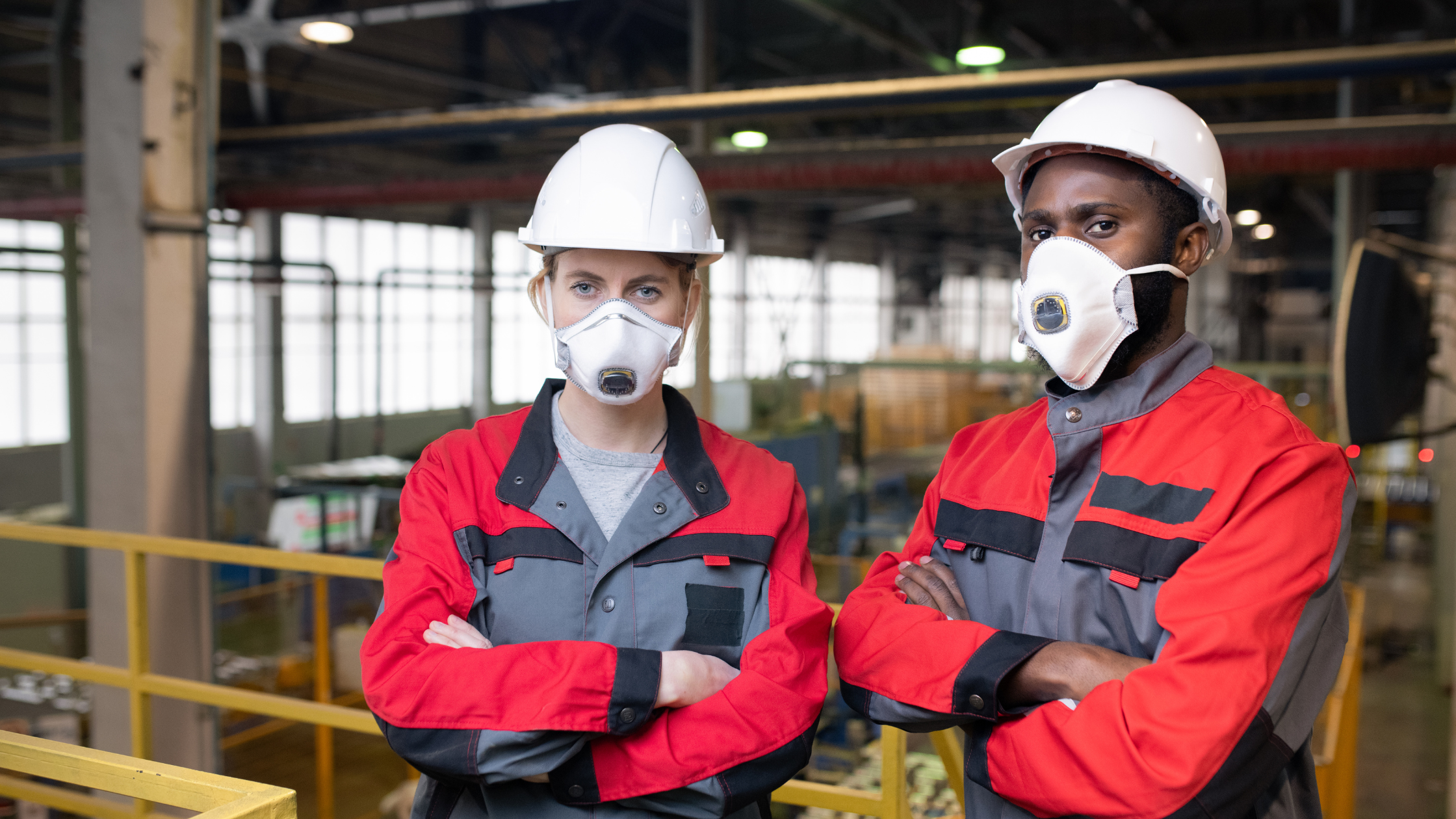
An OSHA respiratory protection program template helps employers build a structured safety system for protecting workers from airborne hazards. Whether employees are exposed to dust, fumes, vapors, or infectious materials, having a written respiratory protection program is essential for compliance and worker safety.
Respiratory hazards are often invisible, which makes hazard recognition and planning critical. Employers who implement effective respiratory programs improve workplace safety, strengthen compliance, and reduce long-term health risks.

Why an OSHA Respiratory Protection Program Template Matters
OSHA’s Respiratory Protection Standard (29 CFR 1910.134) requires employers to establish a written program whenever respirators are necessary to protect employee health.
An OSHA respiratory protection program template helps employers organize and document:
- Respirator selection
- Medical evaluations
- Fit testing
- Employee training
- Program administration
- Program evaluation
A written program improves consistency and helps employers stay inspection-ready.
Learn more here.
Common Workplace Respiratory Hazards
Respiratory hazards exist across many industries.
Common exposures include:
Dust and Particulates
Found in:
- Construction
- Agriculture
- Mining
- Demolition
Examples include silica dust and wood dust.
Fumes and Vapors
Common in:
- Welding
- Painting
- Chemical handling
These exposures can create serious respiratory risks.
Gases
Hazardous gases may include:
- Carbon monoxide
- Chlorine
- Ammonia
Proper respirator selection is critical.
Infectious Agents
Healthcare and laboratory workers may face exposure to:
- Airborne pathogens
- Biological contaminants
This makes respiratory protection especially important.
What to Include in an OSHA Respiratory Protection Program Template
A complete OSHA respiratory protection program template should include these essential components:
1. Hazard Recognition
Before selecting respirators, employers must identify workplace respiratory hazards.
Hazard assessments should review:
- Airborne contaminants
- Exposure levels
- Work processes
- Environmental conditions
Strong hazard recognition helps determine the right level of protection.
2. Respirator Selection
Employers must choose respirators based on hazard type and exposure level.
This may include:
- N95 respirators
- Half-mask respirators
- Full-face respirators
- Powered air-purifying respirators (PAPRs)
Selection must align with workplace risks.
3. Medical Evaluations
Employees must be medically evaluated before respirator use.
This helps confirm:
- Respiratory fitness
- Health limitations
- Safe respirator usage
4. Fit Testing
Respirators must fit properly to be effective.
Fit testing ensures:
- Proper seal
- Correct sizing
- Effective protection
Annual fit testing may be required.
5. PPE Training
Proper PPE training is critical for respirator effectiveness.
Training should include:
- How to wear respirators
- Inspection procedures
- Maintenance requirements
- Storage practices
- Limitations of equipment
Employees must understand when and how to use respiratory protection.
6. Program Evaluation
Employers should review respiratory protection programs regularly.
Evaluation helps identify:
- Compliance gaps
- Equipment issues
- Training deficiencies
Program reviews improve effectiveness over time.
OSHA Compliance Training Supports Respiratory Safety
Strong OSHA compliance training helps employers maintain respiratory safety standards and improve employee understanding.
Training should cover:
- Respiratory hazards
- PPE requirements
- Exposure controls
- Emergency response procedures
Employers should conduct refresher training whenever:
- New hazards are introduced
- Equipment changes
- Procedures are updated
Learn more about OSHA Compliance Training & Consulting Services
Questions to Review During Respiratory Protection Week
Respiratory Protection Week is a useful reminder to review your current safety systems.
Ask:
- Do we have a written respiratory protection program?
- Is our OSHA respiratory protection program template updated?
- Are fit tests current?
- Have employees completed recent PPE training?
- Are hazard assessments up to date?
Regular reviews help prevent compliance issues.
How PCS Safety Helps Employers Build Respiratory Protection Programs
PCS Safety helps employers create practical respiratory safety systems that align with OSHA requirements.
Our support includes:
- Respiratory hazard assessments
- Program development
- PPE training
- OSHA compliance consulting
- Safety program audits
- Employee training support
We help employers improve compliance and strengthen worker protection.
Frequently Asked Questions
What is an OSHA respiratory protection program template?
It is a written framework employers use to document respiratory safety procedures, training, fit testing, and hazard controls.
What must be included in a respiratory protection program?
A complete program should include hazard assessments, respirator selection, medical evaluations, fit testing, training, and program review procedures.
Does OSHA require annual respirator training?
Training should be provided initially and refreshed whenever workplace conditions, equipment, or hazards change.
Who needs respirator fit testing?
Employees who use tight-fitting respirators as part of their work duties generally require fit testing.
Strengthen Your Respiratory Safety Program
Respiratory hazards can cause serious long-term health issues if left unmanaged. A strong OSHA respiratory protection program template helps employers create safer workplaces and maintain compliance.
If your organization needs help developing or improving respiratory protection procedures, PCS Safety can help.