
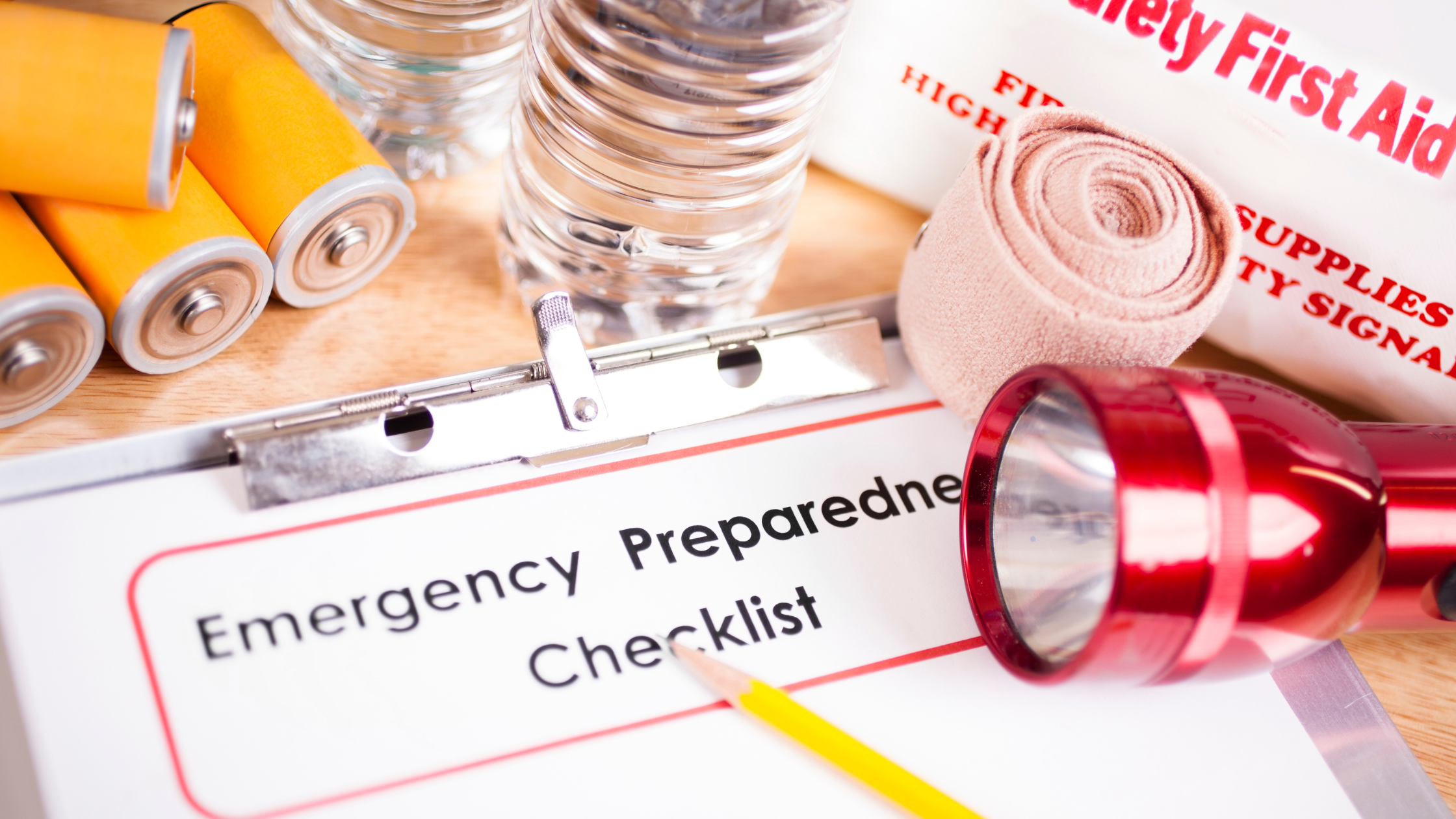
Having an AED in your workplace is an important first step. But equipment alone does not create emergency readiness.
Real workplace preparedness happens when your team combines accessible equipment with AED certification, practical CPR training, and clear emergency response roles.
When cardiac emergencies happen, fast action matters. A delayed response, confusion over where the AED is located, or uncertainty about CPR steps can cost critical time.
This guide covers how to improve workplace AED readiness through better placement, maintenance, and employee certification so your team can respond confidently.
What AED Readiness Really Means at Work
AED readiness is built on three essential pillars:
1. Fast Access
Employees should be able to locate and retrieve the AED immediately.
That means:
- Visible placement
- Easy access during all work hours
- Clear signage
- No locked doors or blocked cabinets
2. Reliable Maintenance
AED units must be functional when needed.
Routine checks should confirm:
- Battery readiness
- Pad expiration dates
- Cabinet accessibility
- Device condition
3. Trained People
Even the best AED is only effective when employees know how to use it.
That is where AED certification and CPR training become essential.
Teams trained in CPR AED and first aid certification can act faster, reduce hesitation, and support victims until EMS arrives.
Why AED Certification Matters in the Workplace
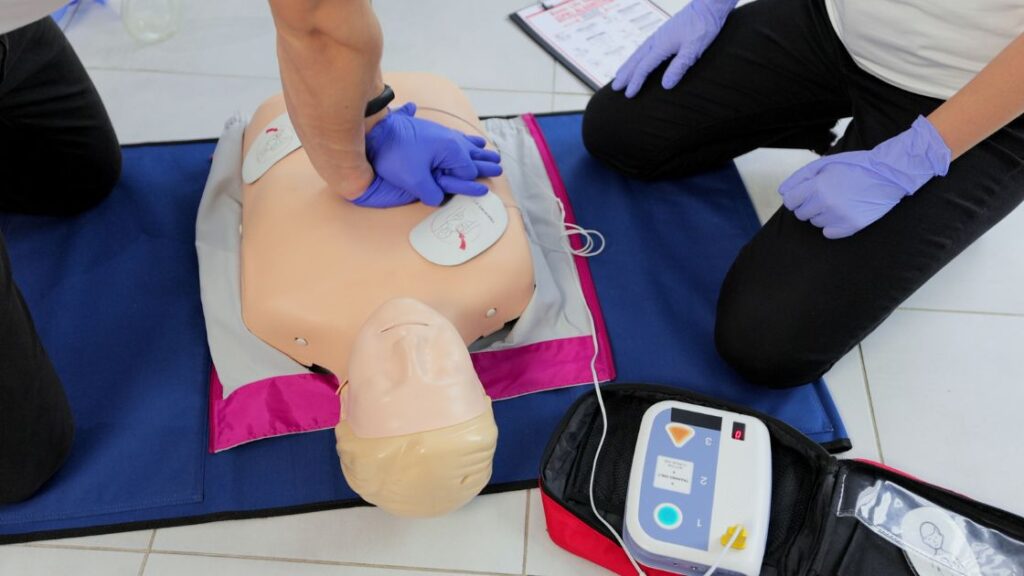
AED certification gives employees practical experience with:
- Recognizing sudden cardiac arrest
- Starting CPR immediately
- Using an AED safely
- Supporting the victim until EMS takes over
Without training, employees may hesitate even if the AED is nearby.
Certification builds:
- Confidence
- Muscle memory
- Faster response times
- Better team coordination
A workplace AED program is strongest when paired with regular certification training.
AED Placement Basics: Where Seconds Matter
Your AED should be placed where it can be accessed quickly.
Good placement includes:
High-Traffic Areas
Place AEDs near:
- Main hallways
- Break rooms
- Front desks
- Warehouse floors
- Loading zones
- Gyms or fitness areas
Visible Locations
Avoid hidden offices or storage rooms.
The AED should be easy to see and reach.
All-Shift Access
If employees work evenings or overnight, the AED must remain accessible.
Large Facility Coverage
For larger buildings:
- Map coverage zones
- Consider multiple AEDs
- Evaluate stairwell and elevator delays
A practical rule: if retrieving the AED takes too long, placement should be improved.
Make AED Locations Obvious
In an emergency, nobody should have to ask where the AED is.
Improve visibility by:
- Installing directional signs
- Marking AED cabinets clearly
- Adding AED locations to facility maps
- Reviewing AED locations during onboarding
Monthly Supervisor Reminder Script
“Reminder: the AED is located at [location]. In a medical emergency, call 9-1-1, send someone for the AED, and begin CPR immediately.”
These quick reminders improve retention.
AED Maintenance That Actually Gets Done
AED maintenance often fails because nobody owns it.
Assign responsibility.
Choose:
- One primary AED coordinator
- One backup person
Set a recurring inspection schedule.
Monthly inspections are common.
Routine AED Inspection Checklist
Check:
- AED is present
- Cabinet is accessible
- Status light shows ready
- Pads are sealed
- Pads are not expired
- Battery is active
- Battery is not expired
- Rescue accessories are present
- Unit is undamaged

Keep Maintenance Logs
Document:
- Inspection date
- Initials
- Findings
- Corrective action
Simple logs help maintain accountability.
Who Should Get CPR AED and First Aid Certification?
Not every employee needs certification, but your workplace needs broad coverage.
Prioritize:
Supervisors
Leaders often coordinate emergency response.
Front Desk Staff
They often call EMS and direct responders.
Security Teams
They are frequently first on scene.
Maintenance Teams
They often know facility layouts best.
Safety Committees
They support emergency planning.
The goal is not just training individuals. The goal is building reliable coverage across departments and shifts.
How Often Should AED Certification Be Renewed?
Skills fade over time.
Regular renewal keeps skills sharp.
Most certification programs recommend renewal every two years, but refresher practice in between helps reinforce readiness.
Short drills can improve:
- Recall speed
- Role clarity
- Team communication
Practical repetition improves performance.
Build a Simple Workplace Emergency Plan
A strong AED program includes a simple action plan.
Confirm:
- Facility address
- Best EMS entry point
- Internal communication method
- AED retrieval roles
- EMS guidance roles
Assign Simple Roles
Caller
Calls 9-1-1 and stays on speaker.
AED Runner
Gets the AED immediately.
Responder
Starts CPR.
Door Guide
Meets EMS and guides them to the exact location.
Simple role assignment reduces chaos.
Practice with Micro-Drills
Short drills uncover problems.
Ask:
- Where is the nearest AED?
- Who retrieves it?
- Who starts CPR?
- Who meets EMS?
These drills often reveal:
- Locked access points
- Confusing directions
- Staffing gaps
- Poor AED visibility
Even a five-minute drill improves readiness.
Build Real Confidence with AED Certification Training
Training turns plans into action.
PCS Safety offers hands-on CPR, AED and First Aid Certification to help workplaces build practical emergency response skills.
Training helps employees:
- Practice CPR
- Use AEDs correctly
- Improve emergency coordination
- Build response confidence
Final Steps for Better Workplace AED Readiness
AED readiness is not just about owning equipment.
It is about:
- Strategic placement
- Regular maintenance
- Team certification
- Clear emergency roles
- Consistent practice
When these systems work together, response becomes faster and more effective.
If your workplace is ready to strengthen emergency preparedness, PCS Safety can help.
Frequently Asked Questions
What does AED certification include?
AED certification typically includes recognizing cardiac arrest, performing CPR, operating an AED, and understanding basic first aid response.
How long does AED certification last?
Most certifications remain valid for two years, though refresher practice is recommended.
Who should have AED certification at work?
Supervisors, security staff, front desk employees, and safety team members should be prioritized.
Is CPR training required with AED certification?
CPR training is strongly recommended because AED use and CPR work together during cardiac emergencies.