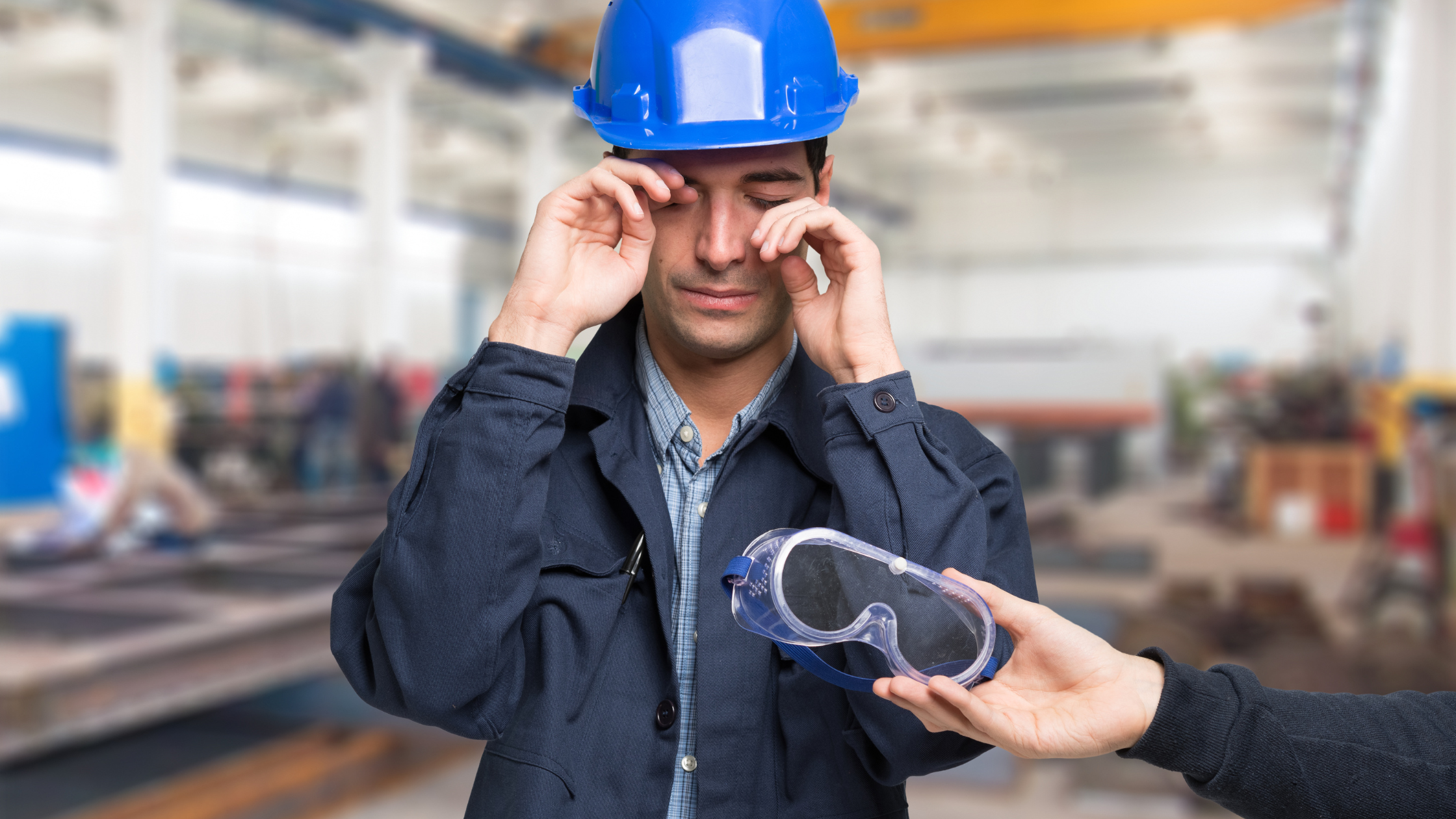
PPE training is most effective when employees can connect the protection they wear to the hazards they face. For eye safety, that means more than telling workers to “wear safety glasses.” It means helping them recognize when glasses, goggles, face shields, or other protection are needed and how visibility conditions can affect safe decisions.
Eye protection and visibility are closely connected. When workers cannot see clearly, hazards are easier to miss. When eyewear is uncomfortable, fogged, scratched, or poorly matched to the task, employees may remove it or wear it incorrectly. A strong training routine helps reduce those gaps before they lead to near misses or injuries.
Why Eye Safety Belongs in PPE Training
Eye hazards are common in maintenance, warehousing, manufacturing, construction, cleaning, and other hands-on work environments. OSHA notes that eye and face PPE is intended to prevent or reduce injury severity when other controls are not feasible or effective.
Common hazards to include in training are:
- Flying particles from cutting, drilling, grinding, machining, or chipping
- Dust and debris from sweeping, compressed air misuse, material handling, or maintenance work
- Chemical splashes or vapors from cleaning, sanitizing, battery handling, or production tasks
- Light radiation from welding, UV curing, or specialized equipment
- Poor lighting, clutter, glare, or blocked sightlines that make hazards harder to recognize
A simple training cue works well: match the hazard to the protection before the task starts.
Choose the Right Eye Protection for the Task
The right PPE depends on the hazard. Employees should understand the difference between common forms of eye and face protection so they are not left guessing in the field.
Safety Glasses
Safety glasses can provide baseline impact protection for many tasks, especially when they include side protection. They are commonly used where flying particles or light debris may be present.
Goggles
Goggles provide more complete coverage around the eyes. They are often the better choice where dust is heavy or where splash protection is needed.
Face Shields
Face shields can provide additional face coverage, but they are usually worn with eye protection underneath. Training should make this clear so employees do not treat a face shield as a complete replacement for safety glasses or goggles.
For a regulatory reference, supervisors can review OSHA’s eye and face protection standard at OSHA 1910.133
Fit, Comfort, and Visibility Matter
NIOSH recommends that workers fit or adjust eye protection for proper coverage, comfort, and adequate peripheral vision. That point is important because PPE that is uncomfortable or hard to see through often becomes PPE that is not worn correctly.
During PPE training, reinforce these fit checks:
- Eye protection should cover the front and sides of the eyes.
- Eyewear should not slip, pinch, or distract the worker.
- Eye protection should be compatible with hard hats, hearing protection, respirators, and other PPE.
- Workers should be able to see clearly through the lenses.
- Scratched, fogged, or dirty eyewear should be cleaned or replaced.
A practical rule for employees: if you cannot see clearly through it, it is not helping you work safely.
Use Hazard Recognition to Prevent Mistakes
Hazard recognition is the bridge between training and daily behavior. Employees should be trained to pause before starting a task and ask:
- What can fly, splash, drip, spray, or reflect toward my eyes?
- Could dust, debris, or chemicals come from the side?
- Is the lighting good enough to see the task clearly?
- Is there clutter, glare, or movement around me?
- Is my PPE the right match for the actual hazard?
This approach keeps training practical. It also helps supervisors coach employees in real time without turning every correction into a long lecture.
Improve Workplace Visibility
Eye safety is not only about eyewear. Visibility is a workplace condition. Good lighting, clean work areas, and clear sightlines help employees recognize hazards before they make a mistake.
Check Lighting in High-Risk Areas
During walkthroughs, pay close attention to:
- Ladder access points
- Storage rooms
- Dock areas
- Walkways and transitions between spaces
- Mechanical rooms
- Maintenance areas
- Chemical handling locations
- Workstations behind equipment or near corners
Small lighting improvements can make routine work safer by making hazards easier to see.
Reduce Visual Clutter
Housekeeping is a visibility control. When walkways are blocked or materials are stored inconsistently, employees have to work around distractions and hidden hazards.
Use these reminders in toolbox talks:
- Keep walkways clear and dry.
- Store materials in consistent locations.
- Clean spills quickly.
- Mark wet areas.
- Keep sightlines clear near doors, corners, and crossings.
- Remove temporary storage before it becomes permanent.
Address Fogging, Scratches, and Dirty Lenses
Even when employees have the correct eyewear, visibility problems can reduce compliance. Fogged or scratched lenses can make workers take off PPE “just for a second,” especially during short tasks.
Supervisors can reduce this risk by:
- Keeping cleaning wipes close to the work area
- Replacing heavily scratched lenses
- Stocking anti-fog options where needed
- Checking compatibility between eyewear and respirators
- Encouraging employees to report fit or visibility problems early
If your team also uses respirators, connect this topic with your respiratory protection procedures. For programs that need a written framework, use or create an osha respiratory protection program template
Connect Eye Safety With Fall Prevention
Visibility also supports fall prevention. OSHA’s fall prevention campaign emphasizes planning, providing the right equipment, and training workers to recognize hazards and use equipment safely.
For ladder tasks, two reminders are easy to reinforce:
- If you cannot clearly see the footing, surface, or work area, stop and reset before climbing.
- If lighting is poor or the area is cluttered, fix the condition before beginning the task.
These reminders are especially useful during maintenance, stocking, inspection, and routine facility tasks. If your organization needs structured support, add fall protection training california
Make PPE Training Easier to Follow
Training works best when the workplace supports the behavior you expect. If PPE is stored far from the task, damaged, or inconsistent between shifts, employees are more likely to take shortcuts.
To improve follow-through:
- Keep spare eyewear near the work area.
- Stock glasses, goggles, and face shields based on actual hazards.
- Make replacement PPE easy to access.
- Standardize expectations across shifts.
- Include PPE checks in supervisor walkthroughs.
- Coach immediately when employees use the wrong PPE.
PCS Safety’s OSHA Compliance Training and Consulting services can help employers organize safety training topics, reinforce hazard recognition, and keep training practical for the work being performed.
Quick Toolbox Talk Checklist
Use this short checklist for a safety huddle:
- Identify the task.
- Name the eye hazard.
- Select the right protection.
- Check fit and visibility.
- Confirm lighting and housekeeping.
- Remove or control distractions.
- Review what to do if an exposure occurs.
For a simple training resource, use the March Safety Snapshot as a starting point for recurring safety reminders.
FAQ
What should PPE training cover for eye safety?
PPE training should cover common eye hazards, how to choose the right protection, how to check fit, when to replace damaged eyewear, and how visibility conditions affect hazard recognition.
How do employees know whether to use safety glasses, goggles, or a face shield?
Employees should be trained to match protection to the hazard. Safety glasses may be appropriate for some impact hazards, goggles are often better for dust or splash exposure, and face shields are typically used as additional coverage with eye protection underneath.
Why does visibility matter in hazard recognition?
Workers are more likely to miss hazards when lighting is poor, lenses are dirty, work areas are cluttered, or sightlines are blocked. Better visibility helps employees see risks before they become incidents.
How often should eye protection and visibility controls be reviewed?
Review them during regular inspections, after task changes, when new materials or equipment are introduced, and whenever employees report fogging, poor fit, scratches, glare, or other visibility issues.
Keep Eye Safety Practical
Eye safety improves when PPE training is specific, visible, and easy to apply. Teach employees to identify the hazard, choose the right protection, check fit and visibility, and stop when conditions make the task harder to see.
For help building practical safety training into your workplace routine, contact PCS Safety.
