
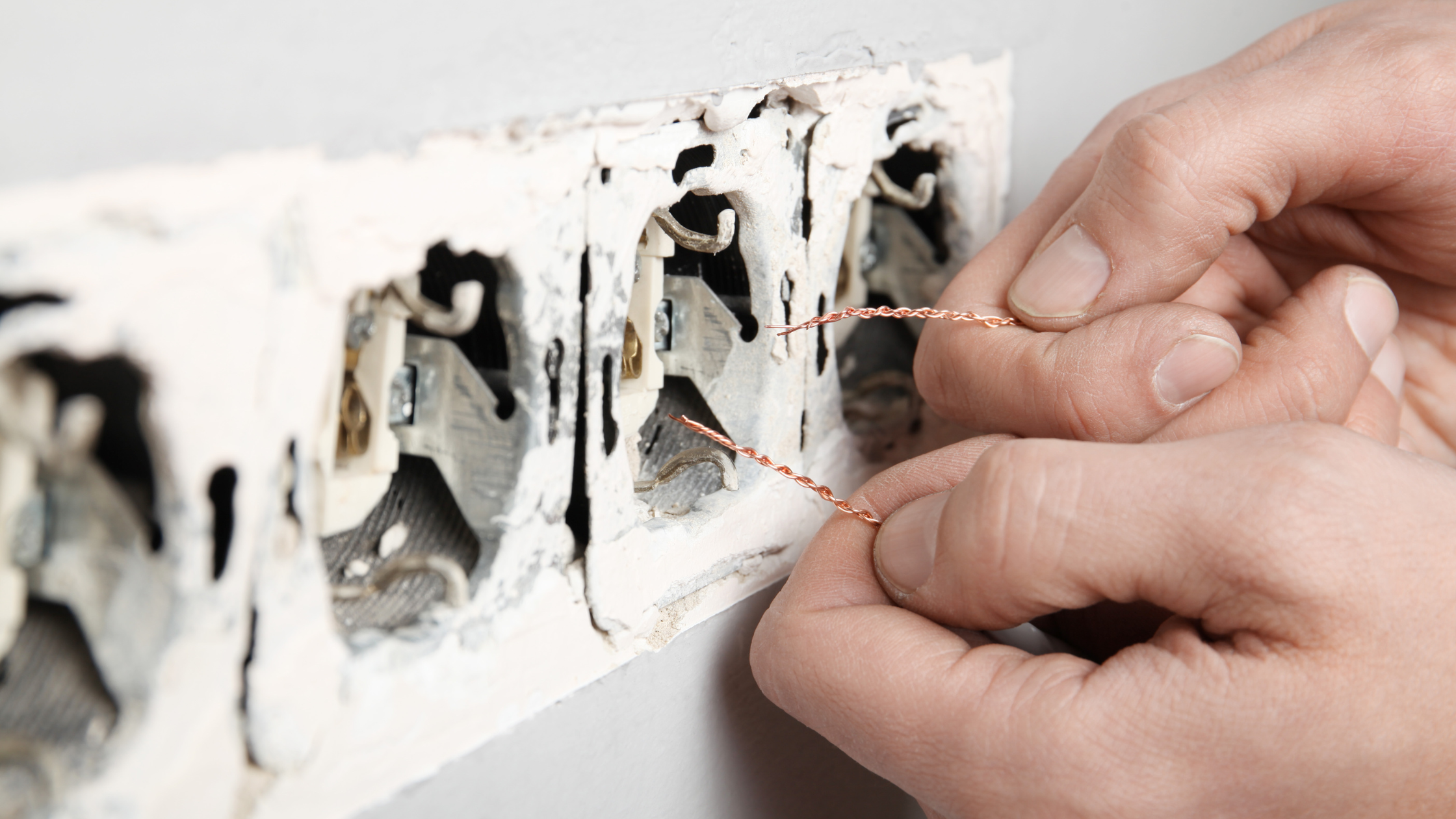
OSHA electrical safety violations often come from ordinary workplace conditions that employers can miss. Common examples include blocked panels, damaged cords, incomplete lockout/tagout procedures, missing training records, and electrical hazards left out of the written safety program.
For California employers, these gaps can also lead to Cal/OSHA citations. Inspectors may cite employers when they do not identify hazards, correct unsafe conditions, document follow-up, or train employees on electrical safety risks.
Electrical safety applies to more than industrial facilities. Offices, warehouses, shops, healthcare settings, construction support areas, and maintenance operations can all have electrical hazards.
This guide explains common OSHA electrical safety violations, how they appear in daily operations, and how employers can reduce risk before an inspection or incident.

Why OSHA Electrical Safety Violations Keep Happening
Electrical systems often fade into the background after installation. A temporary cord stays in place longer than intended. Storage blocks a breaker panel. A machine gets added, moved, or modified without an updated lockout/tagout procedure. A worker receives general orientation but not task-specific electrical safety training.
Over time, these small gaps can turn into a pattern. When Cal/OSHA or federal OSHA reviews the workplace, inspectors often look beyond one isolated condition. They may review whether the employer identified hazards, corrected unsafe conditions, trained employees, and kept records that show an active safety program.
OSHA publishes its Top 10 most frequently cited standards to help employers find and fix common hazards before an inspection. Lockout/tagout regularly appears on that list. Employers with equipment that can energize, start up, or release stored energy should review this area carefully.
Electrical Safety Areas Employers Should Review
Common OSHA Electrical Safety Violations
1. Missing or incomplete lockout/tagout procedures
Lockout/tagout is one of the most common areas where electrical safety programs fall short. OSHA’s lockout/tagout standard, 29 CFR 1910.147, applies to servicing and maintenance activities where unexpected energization, startup, or release of stored energy could injure employees.
A common mistake is having a general lockout/tagout policy but no machine-specific energy control procedures. A binder that says employees must “lock out equipment before service” is not enough if it does not explain how to shut down, isolate, lock out, verify, and restore each relevant piece of equipment.
Employers should review whether procedures are specific, current, accessible, and understood by employees who use them. For California employers, lockout/tagout should also align with the broader written safety program and hazard correction process.
Learn more about PCS Safety’s OSHA compliance training if your team needs structured training support.
2. Electrical hazards missing from the IIPP
California employers are required to establish, implement, and maintain an effective written Injury and Illness Prevention Program under Title 8 Section 3203. Electrical hazards should not sit outside that system.
If electrical risks are present, the IIPP should support a process for identifying hazards, correcting unsafe conditions, communicating with employees, providing training, and documenting follow-up. A separate electrical policy may help, but it does not replace the need to integrate electrical safety into the overall injury and illness prevention process.
For more context, see PCS Safety’s Injury and Illness Prevention Program resource.
Electrical Safety Program California Employers Should Review
A practical electrical safety program in California should be built around actual workplace conditions, not a generic template. Start by reviewing the areas where inspectors and safety professionals commonly find problems.
3. Improper use of extension cords and power strips
Extension cords are intended for temporary use. They should not replace permanent wiring, run through walls or ceilings, pass under rugs, or be used in ways that expose them to damage. Power strips and surge protectors can also become a problem when they are overloaded, daisy-chained, or used with equipment they were not designed to support.
This issue is common in offices as well as industrial environments. Workstations change, equipment gets added, and cords become part of the furniture. Employers should include cord use in routine inspections and make sure employees know when to request a permanent electrical solution.
4. Blocked, unlabeled, or poorly maintained electrical panels
Electrical panels must remain accessible so they can be reached quickly during maintenance or an emergency. Blocked panels, missing breaker labels, outdated directories, or damaged covers can create both a safety hazard and a compliance issue.
A clear panel directory matters because employees and responders need to identify circuits quickly. Employers should review whether panel labels match current equipment and room layouts, especially after renovations, equipment changes, or facility moves.
5. Damaged cords, outlets, tools, or equipment left in service
Employers should remove damaged electrical equipment from service right away. This includes frayed cords, exposed conductors, cracked housings, loose plugs, missing covers, and damaged tools.
A written rule alone is not enough. Employers need a clear process for reporting, tagging, repairing, and replacing damaged equipment.
Employees should know how to report damaged equipment. Supervisors should know who can remove it from service. The process should also explain how the company tracks repairs or replacements.
Supervisors should remind employees not to “use equipment carefully” after they find damage. Damaged electrical equipment should stay out of service until the employer repairs or replaces it.
6. Missing or non-functioning GFCI protection
GFCI protection helps protect employees in wet, damp, outdoor, temporary wiring, and other higher-risk areas. Employers should check where the workplace needs GFCI protection.
Common problems include missing GFCI protection, failed devices, and no testing records. Employers should test devices according to the applicable standard or manufacturer instructions.
They should also document GFCI checks as part of routine safety inspections.
7. Incomplete electrical safety training records
Electrical safety training should reflect the work employees actually perform and the hazards they may encounter. A general orientation session is rarely enough for employees who maintain equipment, use temporary power, work near energized components, or perform tasks affected by lockout/tagout requirements.
Training records should show who was trained, when training occurred, what topics were covered, who conducted the training, and whether retraining was provided when work conditions changed. Undocumented training is difficult to defend during an inspection.
What Cal/OSHA Inspectors May Look For
During an electrical safety review, Cal/OSHA inspectors may evaluate whether the employer has identified electrical hazards, corrected unsafe conditions, trained affected employees, maintained required documentation, and included relevant hazards in the IIPP.
They may also look at the physical workplace, including panels, cords, outlets, equipment condition, temporary wiring, housekeeping around electrical areas, and whether employees can explain safe work procedures.
Cal/OSHA penalty amounts can change by year and classification. DIR’s 2025 penalty update states that serious violations can carry a maximum penalty of $25,000, while willful and repeat violations can carry higher maximum penalties. Employers should always verify current penalty information directly through DIR or qualified safety counsel when making compliance decisions.
For a broader look at California citation trends, read PCS Safety’s guide to top OSHA violations in California workplaces.
How to Reduce OSHA Electrical Safety Violation Risk
The most useful starting point is a structured review of your current conditions, procedures, training, and records.
Start with these steps:
- Walk the workplace and document visible electrical hazards, including damaged cords, blocked panels, missing covers, and temporary wiring concerns.
- Review lockout/tagout procedures to confirm they are machine-specific and current.
- Check whether electrical hazards are addressed in the IIPP and related inspection processes.
- Confirm that training records match employee job duties and actual electrical exposures.
- Verify that damaged equipment is removed from service and tracked until repaired or replaced.
- Review GFCI use, testing, and documentation where applicable.
- Schedule a follow-up review after corrections are made.
PCS Safety’s Workplace Electrical Safety Checklist can help organize this process into a more consistent review.
When to Consider a Safety Program Audit
An internal review can catch many obvious problems, but some employers benefit from a more formal gap analysis. This is especially true when equipment has changed, training records are incomplete, inspections have been inconsistent, or management is not sure whether the written safety program matches actual operations.
PCS Safety provides safety program audits and gap analysis to help California employers identify program gaps before they become inspection findings. An audit can help clarify what is documented, what is missing, and what should be prioritized first.
FAQ About OSHA Electrical Safety Violations
What are the most common OSHA electrical safety violations?
Common OSHA electrical safety violations include incomplete lockout/tagout procedures, improper extension cord use, blocked or unlabeled electrical panels, damaged equipment left in service, missing GFCI protection, incomplete training records, and electrical hazards not addressed in the IIPP.
How can California employers reduce Cal/OSHA citations for electrical hazards?
California employers can reduce citation risk by identifying electrical hazards, correcting unsafe conditions promptly, keeping training records, maintaining machine-specific lockout/tagout procedures, and making sure electrical hazards are included in the written IIPP.
Does OSHA require electrical safety training for office workplaces?
Office workplaces can still have electrical hazards. Training should cover the hazards employees may reasonably encounter, such as safe use of cords and power strips, reporting damaged equipment, keeping electrical panels accessible, and understanding when to contact qualified personnel.
What should be included in an electrical safety program in California?
An electrical safety program in California should include hazard identification, corrective action procedures, employee communication, training, lockout/tagout procedures where applicable, inspection records, equipment removal procedures, and alignment with the employer’s IIPP.
Ready to Reduce OSHA Electrical Safety Violation Risk?
OSHA electrical safety violations are often preventable when employers review hazards before an inspection, correct unsafe conditions, and keep documentation current. PCS Safety helps California employers strengthen safety programs, improve training documentation, and identify gaps that may lead to Cal/OSHA citations.