

If you are asking what is IIPP, the short answer is this: an Injury and Illness Prevention Program (IIPP) is a written workplace safety plan designed to identify hazards, reduce injuries, and improve compliance with workplace safety regulations.
For California employers, an IIPP is more than a best practice. It is a legal requirement under California Division of Occupational Safety and Health. Every employer in California must establish and maintain an effective injury and illness prevention program under Title 8, Section 3203.
A strong IIPP helps businesses create safer workplaces, reduce preventable incidents, and build a stronger safety culture. PCS Safety helps organizations build practical, compliant IIPP programs tailored to their operations.
What Is an IIPP and Why Does It Matter?
An Injury and Illness Prevention Program is a structured written plan that outlines how an employer will:
- Identify workplace hazards
- Correct unsafe conditions
- Train employees on safety procedures
- Investigate incidents
- Maintain compliance with workplace safety regulations
The goal is proactive prevention rather than reactive correction.
In California, Cal/OSHA IIPP regulations are designed to reduce workplace injuries before they happen. A well-built IIPP supports both worker protection and operational continuity.
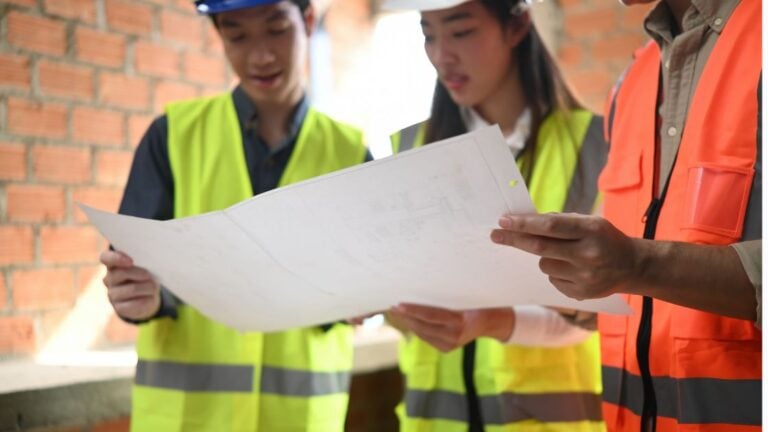
The Core Elements of an Effective Injury and Illness Prevention Program
A compliant IIPP California program includes several essential components.
1. Management Commitment and Responsibility
Leadership involvement is the foundation of any effective safety program.
Management should:
- Assign safety responsibilities
- Allocate training resources
- Establish accountability systems
- Set workplace safety expectations
Without leadership support, safety programs often lose effectiveness over time.
2. Employee Participation
Employee involvement strengthens workplace safety because workers often recognize hazards first.
Encourage employees to:
- Report unsafe conditions
- Participate in safety meetings
- Suggest safety improvements
- Support hazard prevention efforts
A strong injury and illness prevention program depends on open participation across all levels.
3. Hazard Identification and Assessment
Hazard identification is one of the most important parts of an IIPP.
This includes:
- Routine workplace inspections
- Equipment safety evaluations
- Job hazard analyses
- Incident trend reviews
Identifying risks early helps prevent injuries and operational disruptions.
4. Hazard Correction and Prevention
Once hazards are identified, employers must act quickly.
Corrective actions may include:
- Equipment repairs
- Process improvements
- Updated safety procedures
- Personal protective equipment requirements
Preventive action is central to Cal/OSHA IIPP compliance.
Safety Training Is a Critical Part of an IIPP
Training ensures employees understand workplace risks and how to avoid them.
Effective training should cover:
Job-Specific Safety Procedures
Workers need clear instructions for their roles and responsibilities.
Emergency Response Procedures
Training should include evacuation plans, reporting procedures, and emergency communication.
Equipment Safety Requirements
Employees must understand safe equipment use, maintenance, and hazard awareness.
Regular refresher training helps maintain compliance and reinforce safe behavior.
Communication Keeps an IIPP Effective
Safety communication should be continuous and accessible.
Employers can improve communication through:
- Toolbox talks
- Safety meetings
- Bulletin boards
- Digital communication systems
Employees should feel comfortable reporting hazards without fear of retaliation.
Strong communication improves hazard response and employee engagement.
Recordkeeping Supports Compliance and Accountability
An effective injury and illness prevention program requires proper documentation.
Important records include:
- Training records
- Inspection reports
- Hazard correction logs
- Incident investigation reports
Documentation helps demonstrate compliance during inspections and supports program improvement.
For California employers, maintaining these records is critical for Cal/OSHA compliance.
How Often Should an IIPP Be Reviewed?
An IIPP should be reviewed regularly to stay effective.
Recommended review periods include:
- Annual reviews
- After workplace incidents
- After equipment changes
- After process changes
- Following regulatory updates
Regular evaluation helps employers identify gaps and improve safety systems.
Benefits of an Effective IIPP California Program
Implementing a strong IIPP offers measurable business benefits:
Fewer Workplace Injuries
Hazard prevention reduces accidents and improves worker protection.
Better Regulatory Compliance
An effective IIPP supports compliance with both Occupational Safety and Health Administration and Cal/OSHA requirements.
Lower Operational Costs
Preventing injuries reduces workers’ compensation claims, legal costs, and downtime.
Improved Employee Morale
Employees are more confident and engaged when they work in a safer environment.
Stronger Business Reputation
A commitment to workplace safety supports trust with employees, clients, and partners.
How PCS Safety Can Help with Your Injury and Illness Prevention Program
PCS Safety helps businesses create and improve IIPP California programs by providing:
- Workplace hazard assessments
- Customized IIPP documentation
- Safety training programs
- Compliance guidance
- Program audits and updates
Learn more about our Injury and Illness Prevention Program services here:
Frequently Asked Questions
What is an IIPP in California?
An IIPP is a written safety program required by Cal/OSHA that outlines how employers identify and control workplace hazards.
Is an Injury and Illness Prevention Program required?
Yes. California employers are required to maintain an effective IIPP under Title 8, Section 3203.
What should an IIPP include?
An IIPP should include hazard identification, correction procedures, employee training, communication systems, and recordkeeping.
How often should an IIPP be updated?
At minimum, annually or whenever significant workplace changes or incidents occur.
Get Help Building Your IIPP
A strong Injury and Illness Prevention Program helps protect your employees, improve compliance, and reduce preventable workplace incidents.
If your business needs help creating or updating an IIPP California program, PCS Safety can help.